⚡️ Screening of the film "My Extraordinary Life" - what living systems teach us about automation
on May 6, 2026
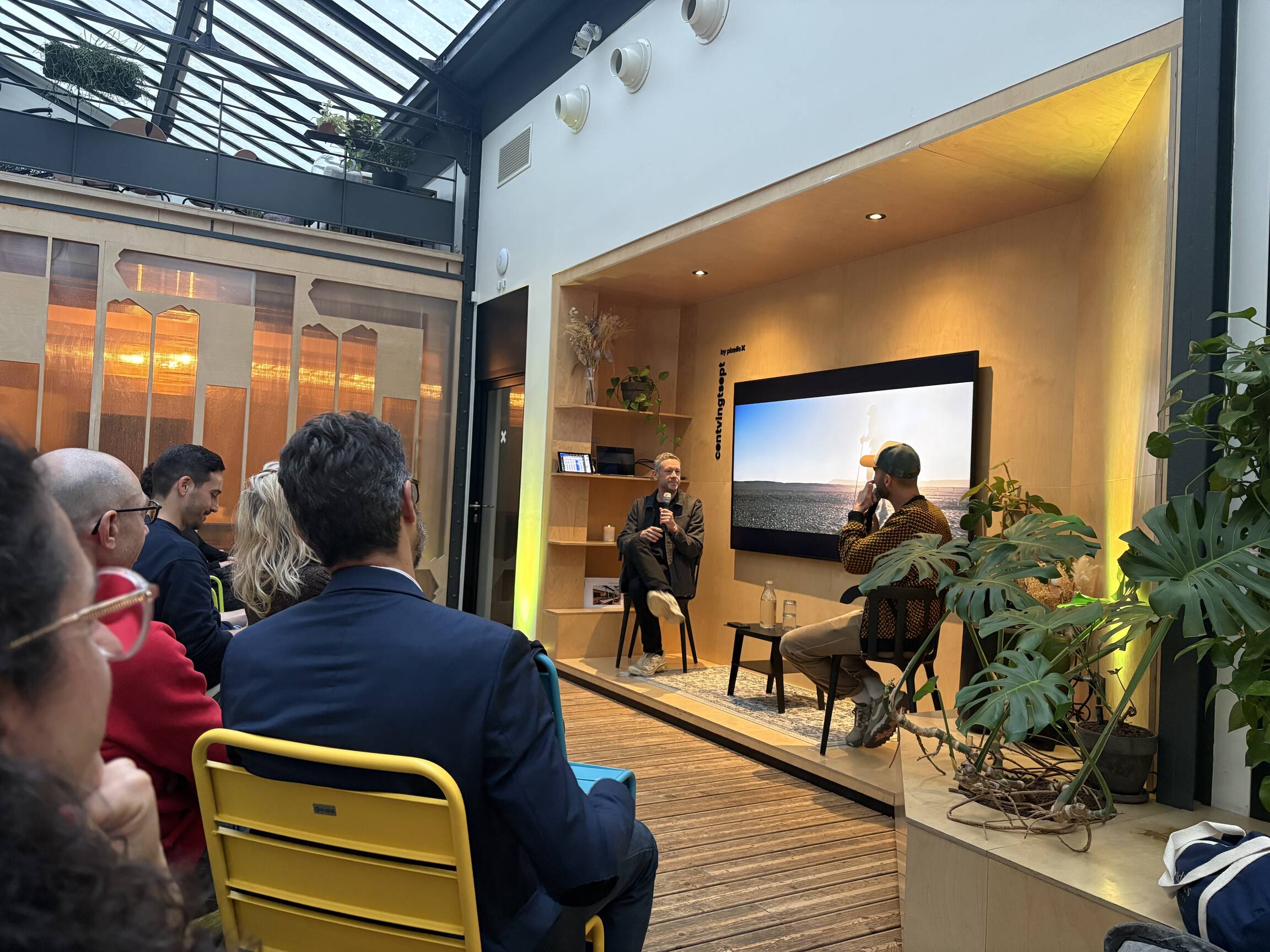
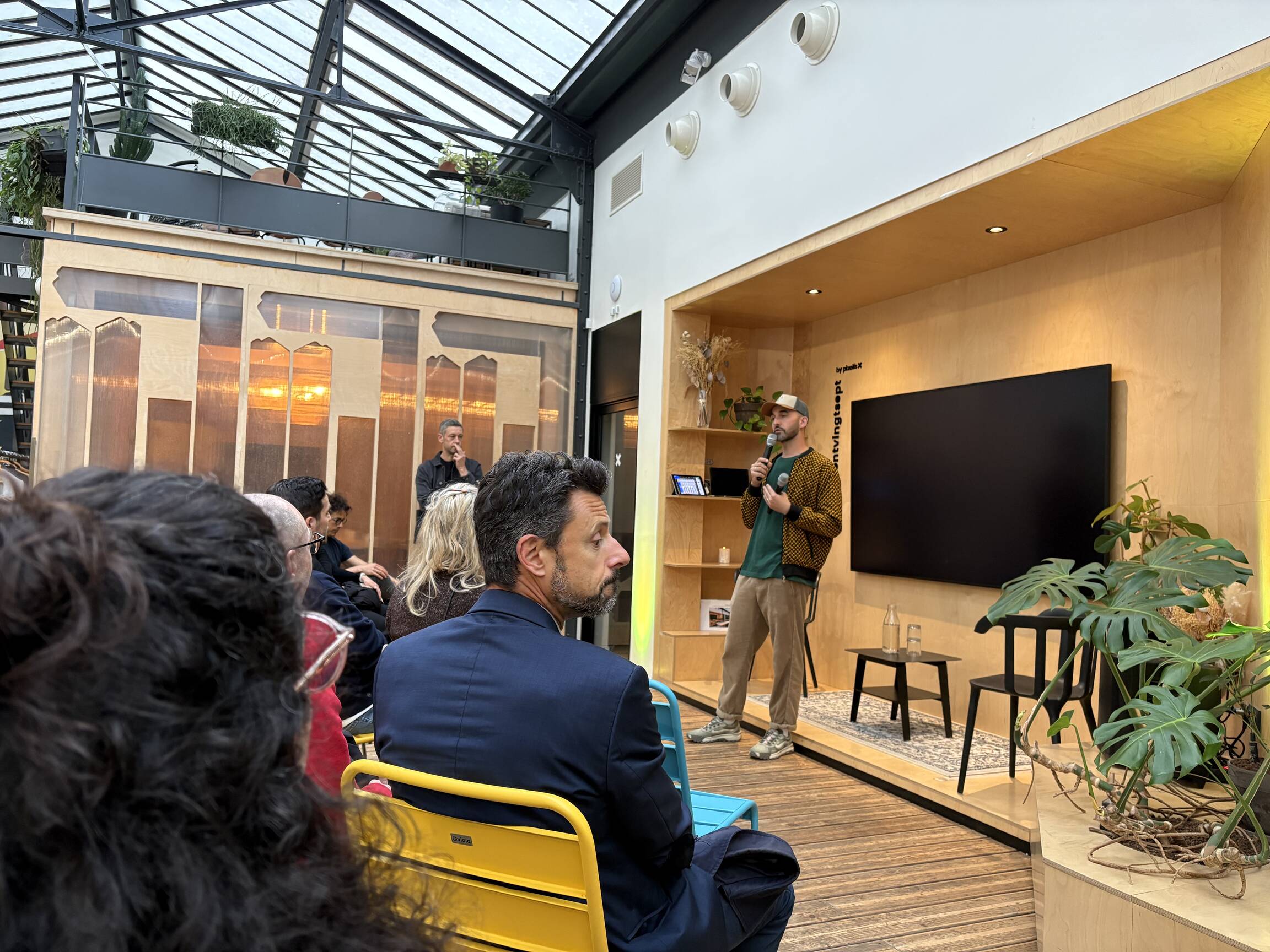
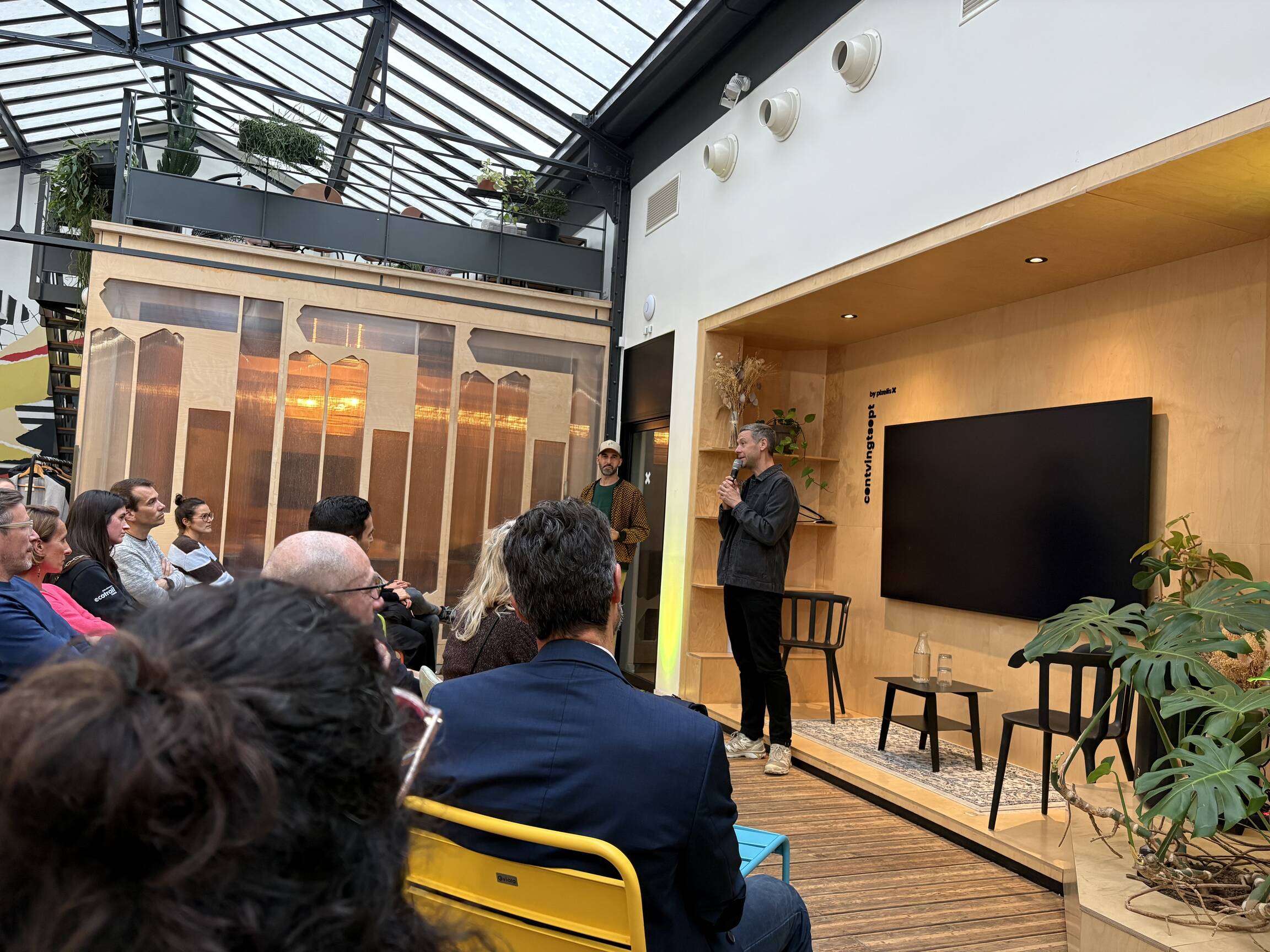
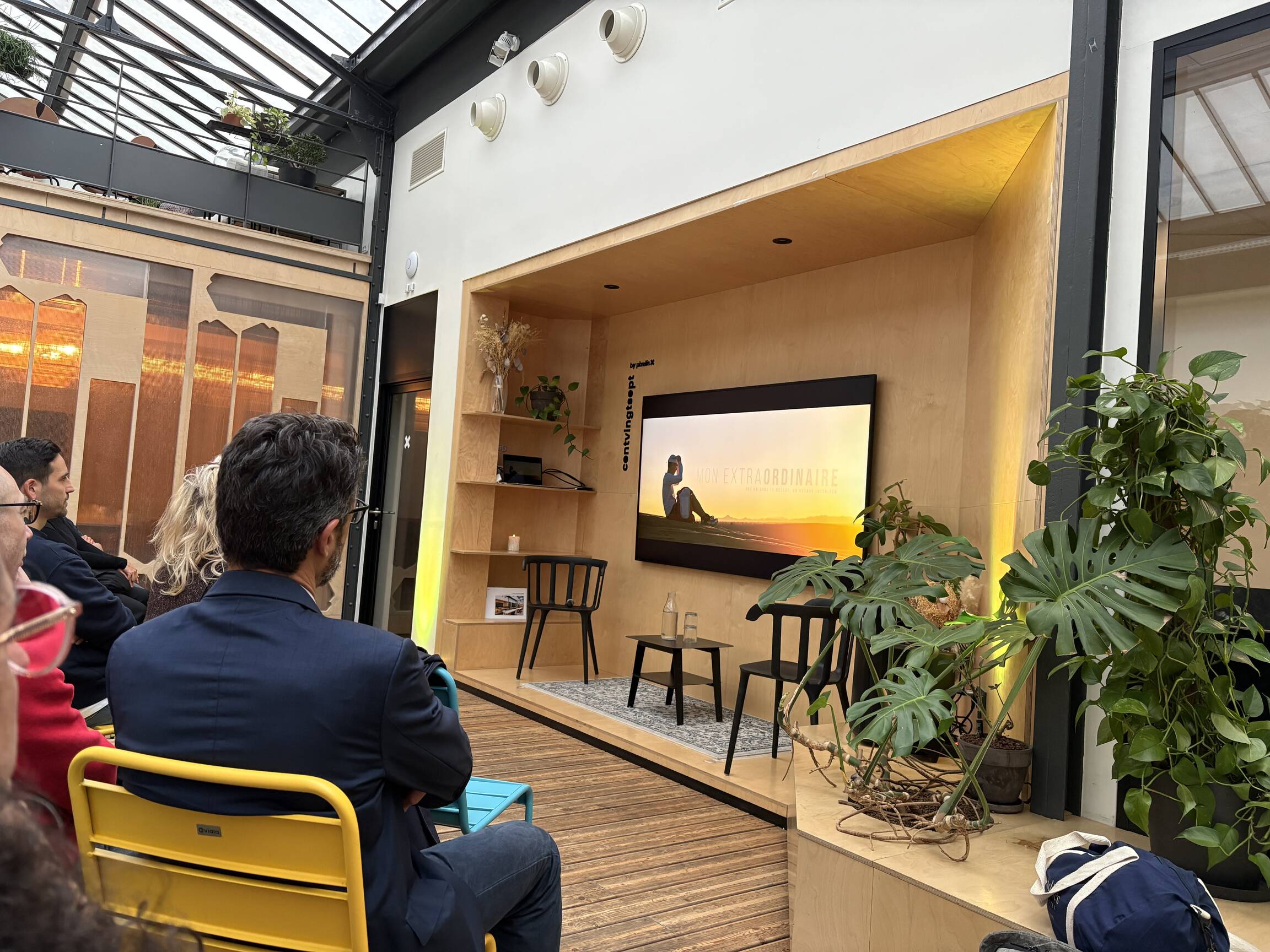
On May 5th, at Pixelis in Paris, we screened Mon Extraordinaire, the film that follows Guillaume Lalu on his 160km solo trek during the Marathon des Sables Ultra. No codes, no agents, no LLM. And yet, for two hours, everyone in the theater had the same feeling: this film speaks directly to what we are building at Darkwood.
Because running 160 km in the sand is not about raw performance.
It's a masterclass in orchestration, resilience, and living systems.
The Myth of the Perfect Sprint
Ultra-trail running is often imagined as a matter of steely resolve and pure willpower. Guillaume Lalu shows something else: he doesn't force the desert, he builds a system capable of surviving in it.
Preparation, logistics, energy management, block-based approach, managing constant friction, recovery, rhythm, the team around him. Everything he talks about after the screening sounds exactly like a complex production pipeline.
In automation and AI, we make the same mistake as at the beginning: we believe that everything depends on initial power (best model, perfect prompt, ultra-intelligent agent).
The reality on the ground is harsh: what matters is what still holds up after 40 hours… or after 6 months in production.
Friction is not a bug, it's the nature of matter
The most telling moment in the film? The sand constantly getting into the shoes.
A seemingly ridiculous detail.
It's actually a structural problem.
Guillaume spends a huge part of his race emptying his shoes, managing irritation, losing rhythm, and expending mental energy. He can't eliminate the sand. He has to deal with it.
This is the exact metaphor for real-world workflows today:
- APIs that change without warning
- Exploding tokens
- Drifting agents
- Contexts that become unusable
- Humans who intervene at the wrong time
- Dirty or incomplete data
The systems that work aren't those that have eliminated all friction. They're the ones that have learned to move forward despite it. This is precisely the spirit behind Flow: data-oriented and event-driven architectures that don't strive for rigid perfection, but for the ability to keep going when things get tough.
Endurance > Cutting-edge intelligence
Guillaume isn't running to win. He's running to finish, remaining whole, fully experiencing the journey. He mentally breaks down the 160 km into four symbolic "marathons." He ticks off the blocks one by one.
That's precisely the difference between an impressive AI demo and a system that lasts.
Many automation tools shine on stage.
Few survive the night, the unforeseen events, the accumulation of small deviations.
Sustainable systems are those that know how to slow down, observe, recover, and resume. Those that tolerate imperfection. Those that maintain a narrative continuity.
Navi: The Memory of the Journey Through Chaos
In the film, Guillaume explains how he survived mentally thanks to this breakdown and this ability to look back: "Where did I lose energy? Why did I slow down here? What allowed me to start again?"
A memoryless AI agent system quickly becomes a ghost. We no longer know:
- Why did this officer make this decision?
- What data triggered this branch?
- At what point did the workflow deviate?
- What actually created value
Navi was born from this need: to transform the chaotic trace of a distributed system (agents + workflows + human interventions) into a comprehensible, narrative, visual journey. Not just logs. A story that humans can reread and understand, even days later.
Like Guillaume who, in the middle of the night, in the cold, still knows where he is in his own story.
Hybrid orchestration: the human element is not optional
The film is also a beautiful lesson in humility: no one crosses 160 km alone. There are friends (François and Julien), the coach, the medical teams, the checkpoints, loved ones, the other runners.
Ultra-trail running is becoming a collective system.
This is precisely what we observe with the best AI implementations today: the most powerful systems do not replace humans. They augment them. Humans become the immune system, the strategist, the one who sets safeguards and corrects the trajectory when the model goes astray.
Uniflow: Building for the long term, not viral
Guillaume didn't launch Epic Race looking for a viral hit. He built it slowly: episode after episode, relationship after relationship, for years. 300 episodes later, the project still holds up because it's organic.
This is the same trap that many fall into with creative automation: looking for the hack, the agent that generates 100 posts per day, explosive growth.
Uniflow is not a spam machine. It is a creative endurance infrastructure: recycling, enriching, reorchestrating, transforming a continuous flow into a living ecosystem that improves over time.
The desert as ultimate truth
The Sahara in My Extraordinary is the perfect metaphor for the environments in which we deploy our systems today: immense, unpredictable, energy-intensive, hostile at times, impossible to control totally.
In this context, rigid architectures die.
Living systems survive.
They learn to:
- Dancing with friction
- Maintaining a narrative memory
- Human + AI orchestration
- Moving forward despite the sand
- Transforming chaos into continuous flow
Real automation is not magic. It is organic.
Thanks to Guillaume Lalu, Pixelis, and everyone who was present on May 5th.
The desert didn't talk about technology.
Yet he told us everything about the future of AI and automation.
And what he says is that the systems that will last will be those that know how to, like him, continue despite the sand.